Amsterdam bans meat advertisements in public spaces as part of a broader strategy to cut emissions and promote plant-based food.
Amsterdam has taken a bold step toward a more sustainable and animal-friendly future by becoming the world's first capital city to ban advertisements for meat products in public spaces. The new ban takes effect May 1, 2026,after the city council approved changes to local laws in January.
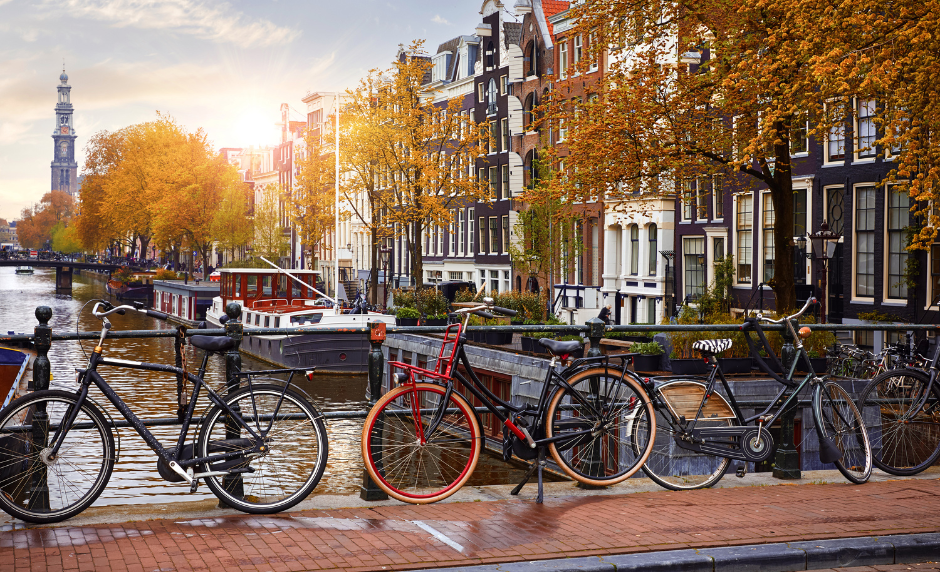
Image from Canva
What does the ban mean?
The ban covers all public advertisements for meat productsdisplayed on the city's streets, bus stops, billboards, and digital screensunder city control. This means images and ads for burgers, steaks, and other animal products can no longer be shown in these public spaces.
While ads inside private stores remain allowed, the ban marks a crucial shift in how public spaces influence people's food choices.
Why is this happening?
The decision was proposed by Partij voor de Dieren (Party for the Animals) and and GroenLinks (Green/Left) and won majority support in the city council. The ban is part of a wider effort to reduce the climate impact of animal agriculture and promote a more plant-based food system.
🔹 Climate Impact: Animal food production accounts for a large share of global greenhouse gas emissions, with meat contributing significantly more emissions than plant-based alternatives.
🔹 Health: Plant-based diets are linked to reduced risk of many lifestyle diseases..
🔹 Future Goals: Amsterdam has set a goal that 50% of residents' diets should be plant-based by 2050, and this ban supports that target. Seven other Dutch cities are pursuing similar policies..
A step in a global movement
Amsterdam builds on moves by other Dutch cities:
Haarlem was the first city in the world to enact a similar ban in 2022.
Cities like Utrecht, Zwolle, The Hague, Delft, and Nijmegen have also adopted policies limiting ads for climate and animal-hostile products.
Meanwhile, Amsterdam is a co-signer of the Plant Based Treaty — an international initiative demanding a global shift to plant-based food systems.
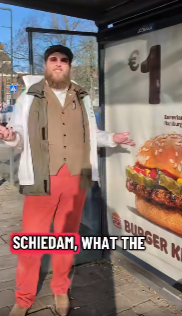
Watch members of Partij voor de Dieren celebrate the victory in Amsterdam while standing in the Dutch city of Schiedam, where meat burgers are still advertised for as low as one euro.
What does this mean for us?
As advocates for animal rights and a sustainable transition, this is a vital victory—not just symbolic but tangible in creating spaces where plant-based choices become the norm. Amsterdam shows that cities can wield political tools to push society toward a more ethical and sustainable future. We all want a livable planet, and at the very least, we can stop advertising the products that actively harm it.
