Cosmetics
What you need to know about animal testing and cosmetics
We humans are willing to compromise on many things in the name of beauty—even cosmetic testing on animals—despite the suffering and death it causes animals.
At Dyrenes Alliance, we firmly believe it is completely unnecessary for animals to be exploited and endure pain solely for human pleasure and comfort.
Why is animal testing a problem?
When you buy cosmetics—whether foundation, lipstick, or skincare and haircare like cleansers and shampoos—are you aware if they've been tested on animals? Probably not. But there's a critical reason to be aware. Much cosmetics testing still relies on animals, causing suffering, captivity, and often death.
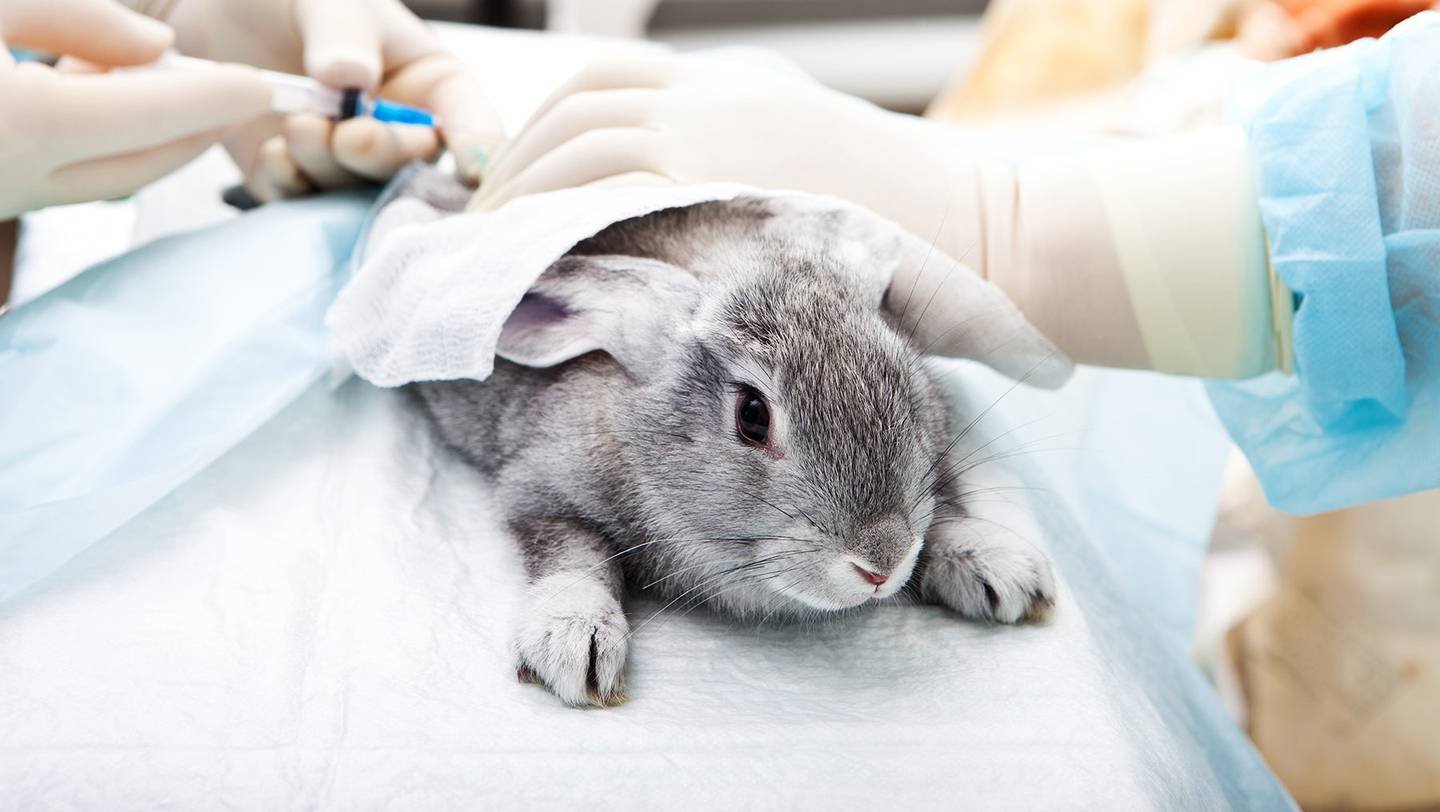
Particularly, mice, rats, guinea pigs, rabbits, fish, and dogs endure painful experiments for the sake of cosmetic products. (Jopie, 2023)Guinea pigs and rabbits go through stressful skin and eye tests where chemicals are dripped into their eyes—painful on their own and often causing blindness. Rats and dogs face "acute toxicity tests" acute toxicity testsin which they are force-fed or injected with chemicals directly into their bloodstream.
These tests can last months, sometimes their entire lifetime. Pregnant rats, rabbits, and dogs are force-fed chemicals to see if their offspring are born deformed or die during pregnancy.
88% of the world’s top 50 cosmetic brands—including L’Oréal, Nivea, and Estee Lauder—still test on animals and are not cruelty free (S. Rose, 2021)44 out of those 50 brands test their products on animals either in-house or through third parties. After these experiments, the animals are typically killed.
Understand animal testing.
Watch this short film.
The film is from Humane Society International,an NGO that rescues lab animals from lives of exploitation and suffering.
Watch it for a raw, honest—and sadly harsh—look into a test animal’s life. It's heavy but thought-provoking and deeply important.
"Save Ralph" is a short film portraying the brutal reality many lab animals endure.
Are animal tests truly necessary?
Morally and ethically, there’s no justification for exploiting animals just for beauty. No sentient being should suffer needlessly, and animals have a right to life and freedom. They should not be exploited so we can use certain shampoos. Scientifically, most tests are ineffective and often fail to predict human skin reactions.
One study (Forbes, 2018) found animal tests only predict human reactions to cosmetics 40% to 60% of the time, while non-animal methods can be up to 80% accurate.
What can we do?
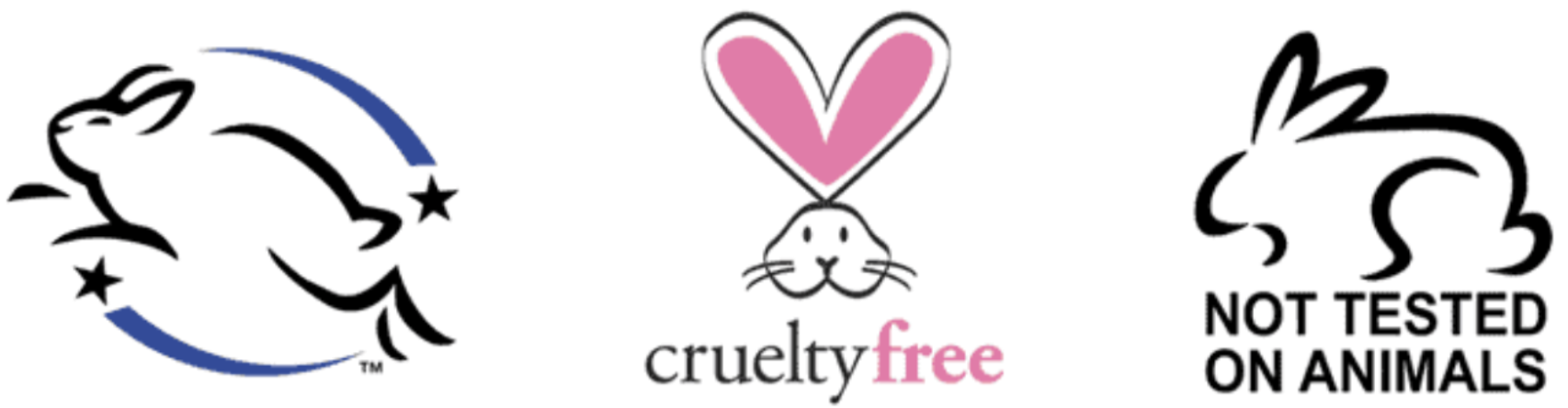
The path to fewer animal tests in cosmetics starts with us, the consumers. Look for certifications when shopping, such as PETA’s crueltyfree or Leaping Bunny.If your products carry these seals, you can be sure no animals were tested on during production.
Question: “Now that my products aren’t tested on animals, can I be sure they contain no animal-derived ingredients?”
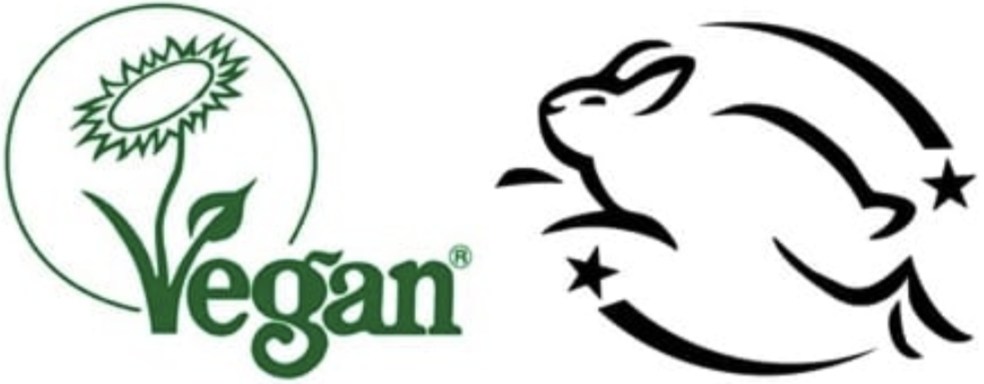
No, you can’t. These labels only cover the testing and production process, not the ingredient list. To ensure products are both cruelty-free and free of animal-derived ingredients, we recommend also looking for a vegan certification. The two following seals are commonly used.
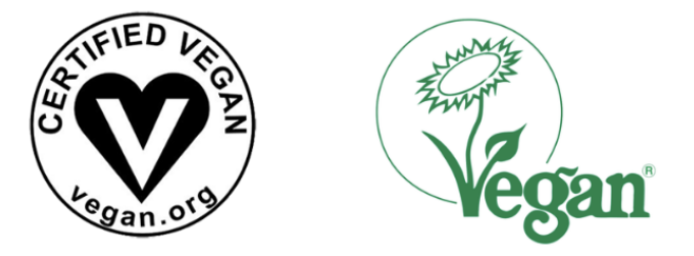
To fully protect yourself from animal testing and animal ingredients in your cosmetics, it’s important your product holds both “cruelty free” and “vegan” certifications. Keeping this in mind when shopping actively helps build a better world for animals. Animals are not test subjects; they are sentient beings who don’t deserve to be confined and tested on solely for human experimentation and pleasure. They should never suffer or be killed just so we can use a certain lipstick—especially when non-animal testing methods are safer.
Do you want to say no to animal cruelty? Join the movement